Scalable Insulation for Multi-Unit Buildings
Commercial insulation services in Amarillo for hotels, apartments, and large structures focused on energy efficiency and occupant comfort.
When you manage or own a hotel, apartment complex, or multi-unit building in Amarillo, insulation directly affects operating costs and tenant satisfaction. Poor insulation in commercial structures leads to higher HVAC expenses, inconsistent temperatures between units, and noise complaints from tenants who hear everything happening next door. In a climate where cooling costs dominate much of the year, inadequate insulation means your building is spending more on energy than it needs to.
A1 Insulation provides scalable insulation solutions for commercial properties in Amarillo, whether you're retrofitting an older building or insulating new construction. Services include wall and attic insulation for multi-story buildings, sound-dampening solutions between units, and thermal barriers designed to reduce the load on central HVAC systems. The installation is scheduled to minimize disruption to tenants or guests, and the work is coordinated with other trades to keep your project on timeline.
If you're planning a commercial build or renovation in Amarillo and need insulation handled efficiently, reach out to discuss your project scope and scheduling requirements.
What Commercial Insulation Covers in Large Structures
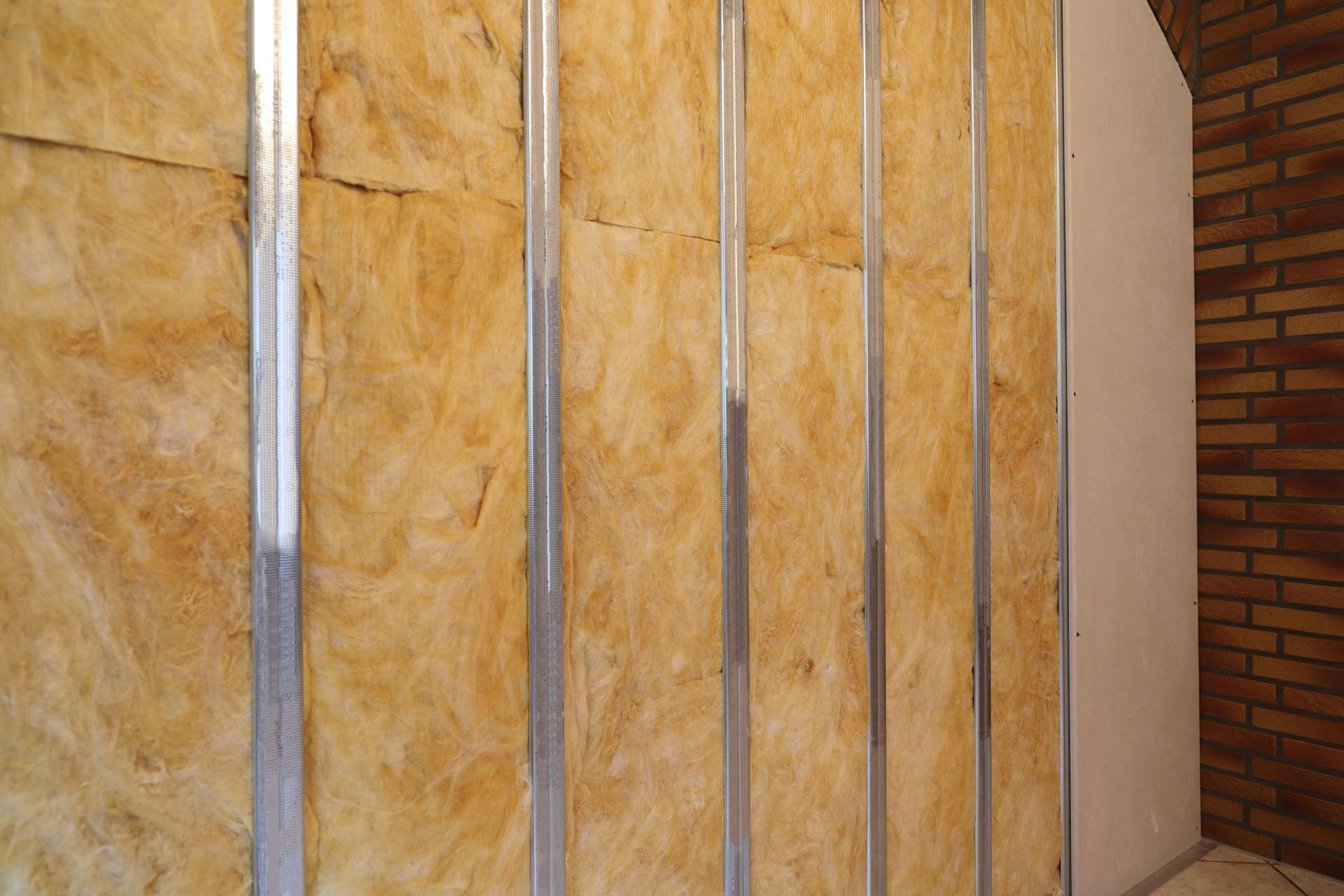
Insulation in commercial buildings in Amarillo is installed in exterior walls, interior partition walls, ceilings, and attic spaces depending on the structure and intended use. Fiberglass batts are fitted between studs and joists in framed construction, while blown-in materials fill irregular cavities or top off existing attic insulation. For multi-unit buildings, sound-rated insulation is often added between units to reduce noise transfer and improve privacy.
After installation, you'll notice more consistent temperatures across floors and units, fewer complaints about hot or cold spots, and reduced runtime on HVAC equipment. Tenants experience quieter living spaces with less noise from neighbors or mechanical systems. The building holds conditioned air longer, which translates to lower monthly utility expenses and less wear on heating and cooling infrastructure.
A1 Insulation works with property managers, general contractors, and building owners to schedule installation in phases if needed, allowing sections of the building to remain occupied during the work. The process is designed to meet fire and building codes for commercial occupancy, and all materials are selected to match the specifications in your project plans.
Answers to Common Commercial Insulation Questions
Building owners and project managers in Amarillo often want to know how insulation affects operating costs, what options work best for multi-unit buildings, and how the work fits into a construction or renovation schedule.
A1 Insulation has worked on hotels, apartments, and multi-unit buildings across Amarillo, delivering reliable installation that meets project timelines and performance expectations. If your commercial project is moving forward and insulation is on the schedule, get in touch to confirm scope and timing.