Built Right From the First Layer
New construction insulation services in Amarillo designed to meet energy codes and support long-term comfort.
When you're building a new home or commercial structure in Amarillo, the insulation you install now will affect comfort and energy costs for decades. Fiberglass insulation installed in walls and attics during construction creates a thermal barrier that keeps conditioned air inside and outdoor temperatures where they belong. In a city where summer heat can push cooling systems hard, starting with the right insulation means your HVAC equipment won't have to work overtime from day one.
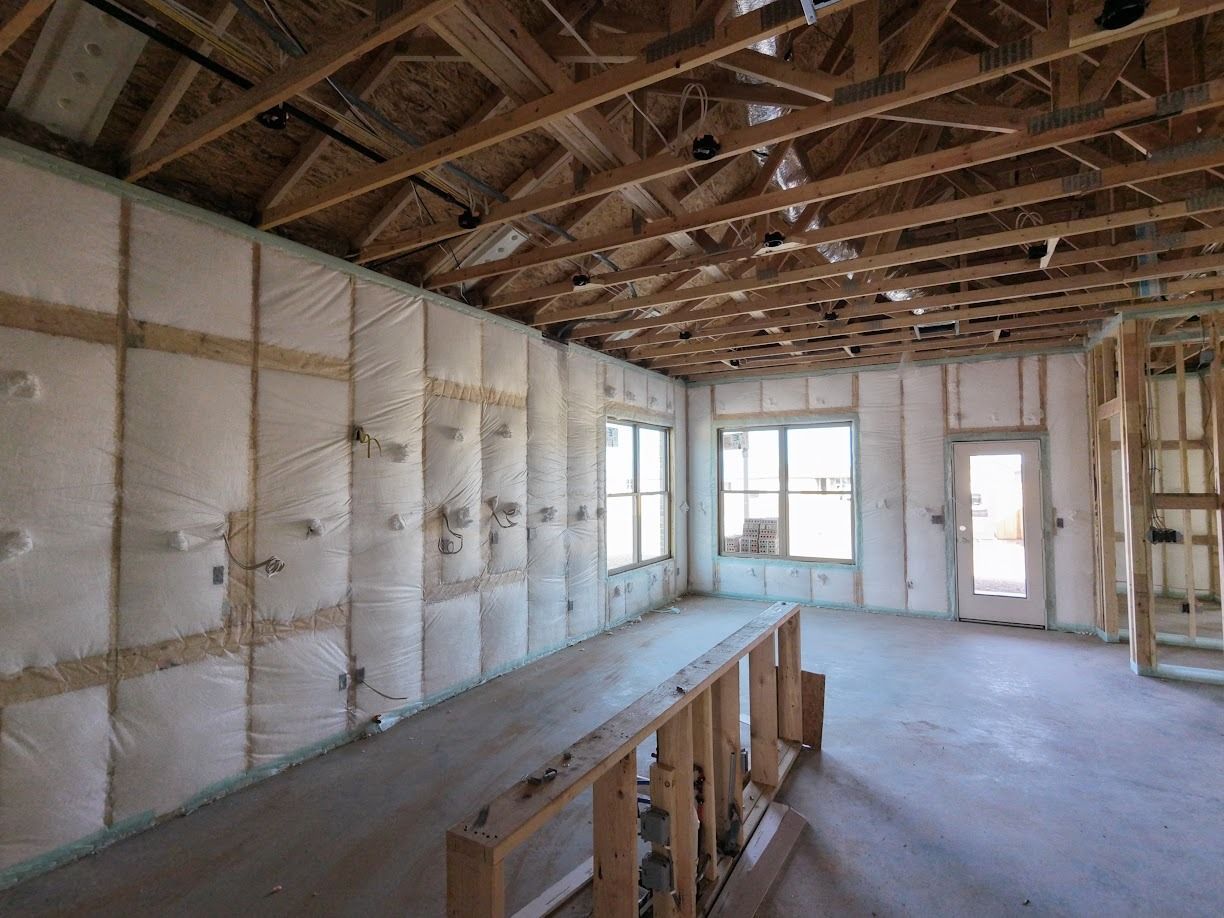
A1 Insulation works directly with builders and contractors in Amarillo to install fiberglass insulation that meets project specifications and current energy code requirements. The installation happens at the appropriate phase of construction, after framing and mechanical systems are in place but before drywall goes up. This timing allows for complete coverage in walls and attics, reducing gaps that would otherwise let heat transfer through. The result is a building envelope that maintains consistent indoor temperatures without relying solely on heating and cooling equipment.
If you're planning a new build in Amarillo and want insulation handled efficiently and to code, reach out to discuss your project timeline and specifications.
How Insulation Gets Installed During Construction
Fiberglass batts are measured, cut, and fitted between wall studs and ceiling joists in Amarillo job sites once the structure is framed and utilities are roughed in. Each section is positioned to fill the cavity without compression, which would reduce its ability to slow heat transfer. Attic insulation is laid across the ceiling plane to the depth required by your energy code, often between R-30 and R-49 depending on the building type and location.
After installation, you'll notice that rooms feel more stable in temperature even before the HVAC system is running full time. Walls won't radiate heat in summer or cold in winter the way an uninsulated structure would. The insulation also contributes to a quieter interior by dampening sound transmission between rooms and from outside.
The process is designed to stay on schedule and work around other trades without delaying your project. A1 Insulation coordinates with your builder to ensure the install happens at the right stage, and the work area is left clean for the next phase. This approach supports long-term energy performance without adding complexity to the construction timeline.
Questions About Insulating a New Build
Homeowners and builders often want to know how insulation choices affect energy performance, what installation involves, and how to meet code requirements without overbuilding.
A1 Insulation has worked with builders across Amarillo to deliver clean, code-compliant installations that support energy efficiency and occupant comfort from the start. If your project is moving toward the insulation phase, get in touch to confirm scheduling and material specs.